Below is a working prototype of signal.library, a personal intelligence system that turns my ongoing research into a searchable, compounding knowledge base. While most uses of AI in landscape research focus on the broad accumulation and synthesis of outside sources, I was inspired by the idea of leveraging AI to help me sift through and enrich a selective, personally curated information archive.
The current prototype was built using a small corpus of signals focused on the future of influence and attention online, which is a domain I’ve been tracking closely throughout the newsletters, panels, articles, and podcasts that make up my regular information diet. Every signal in the library is something I personally encountered, saved, and found compelling enough to write up in my archive. The interpretations are entirely my own.
My hope is to expand this tool over time by adding more signals to the existing topic area corpus, and eventually building out parallel libraries for other topic areas I’m actively researching.
A bit about my process: To build this prototype, I organized existing notes and signals from my personal archive into structured markdown files in Obsidian. I had used Obsidian in the past to build a repository of notes during grad school, and it was a natural fit here. I then used Claude Code to build a weekly signal processing workflow: it asks me pointed questions to push my thinking, records my verbatim responses alongside the original signals, and surfaces connections and further provocations across the library. Finally, Claude Code helped me develop a tailored interface that acts as a dynamic, working repository.
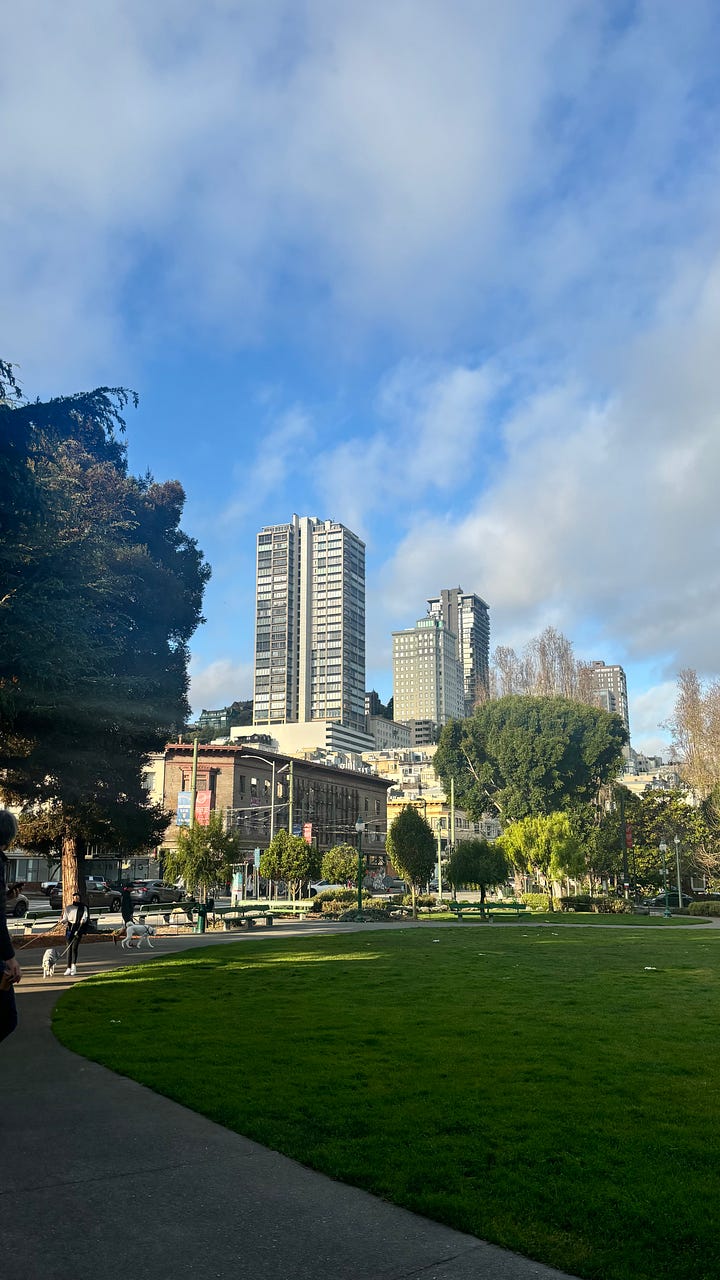
I’ll never forget emerging from our short-term rental on that very first morning in San Francisco, stumbling out half-crazed from a 30+ hour cross-country drive into the North Beach air. We sat with our coffees in Washington Square Park, simple interlopers on a bench, and raised our heads to take in the cascade of buildings on the hill in front of us. For a moment I just reveled in the unknowing, feeling all of the the impending discovery ahead.
I’ve lived in three cities now in my adult life, and each time I’ve found this initial process of discovery to be similarly vexing, thrilling, and revealing. It unravels differently each time, but there are familiar patterns. There’s that heart-pounding moment of arrival, when the city seems so opaque, like it’s hiding from your naivety. The frustrating misalignment of those early months—the alienating tension between the fact that this place is technically home, but it isn’t truly ‘home’. The relief and elation when the city finally offers up a part of itself through some chance encounter: a conversation with a neighbor, a surprise discovery on the first long walk or bike ride through a new neighborhood. This is when the attachments finally begin to form.
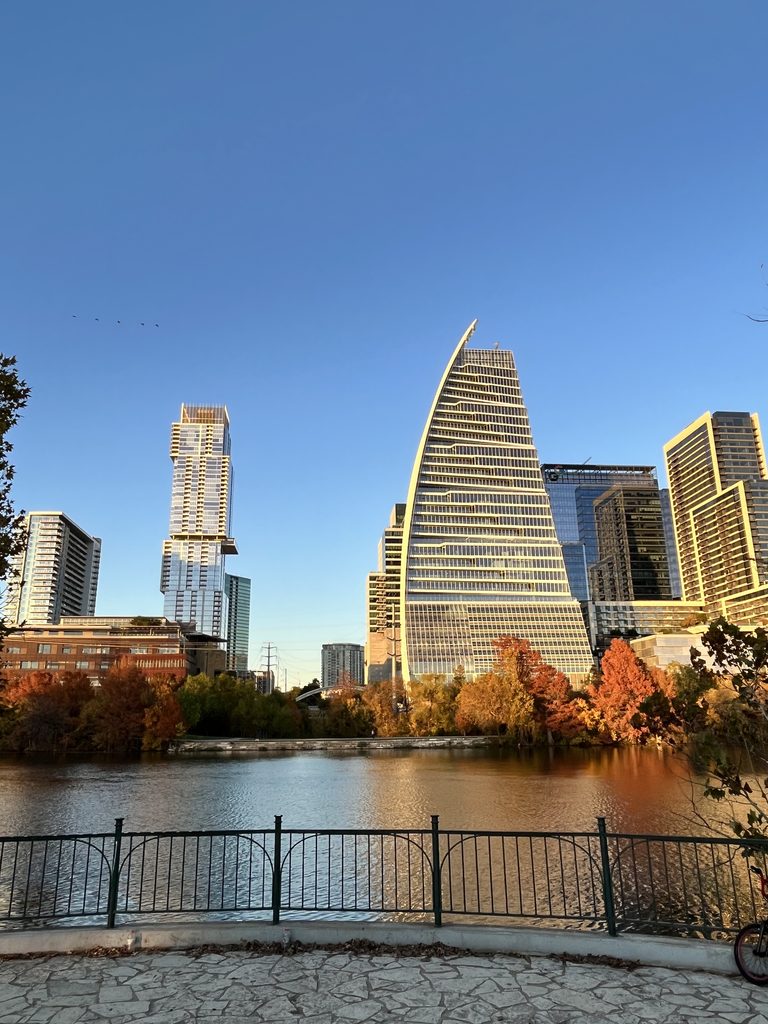
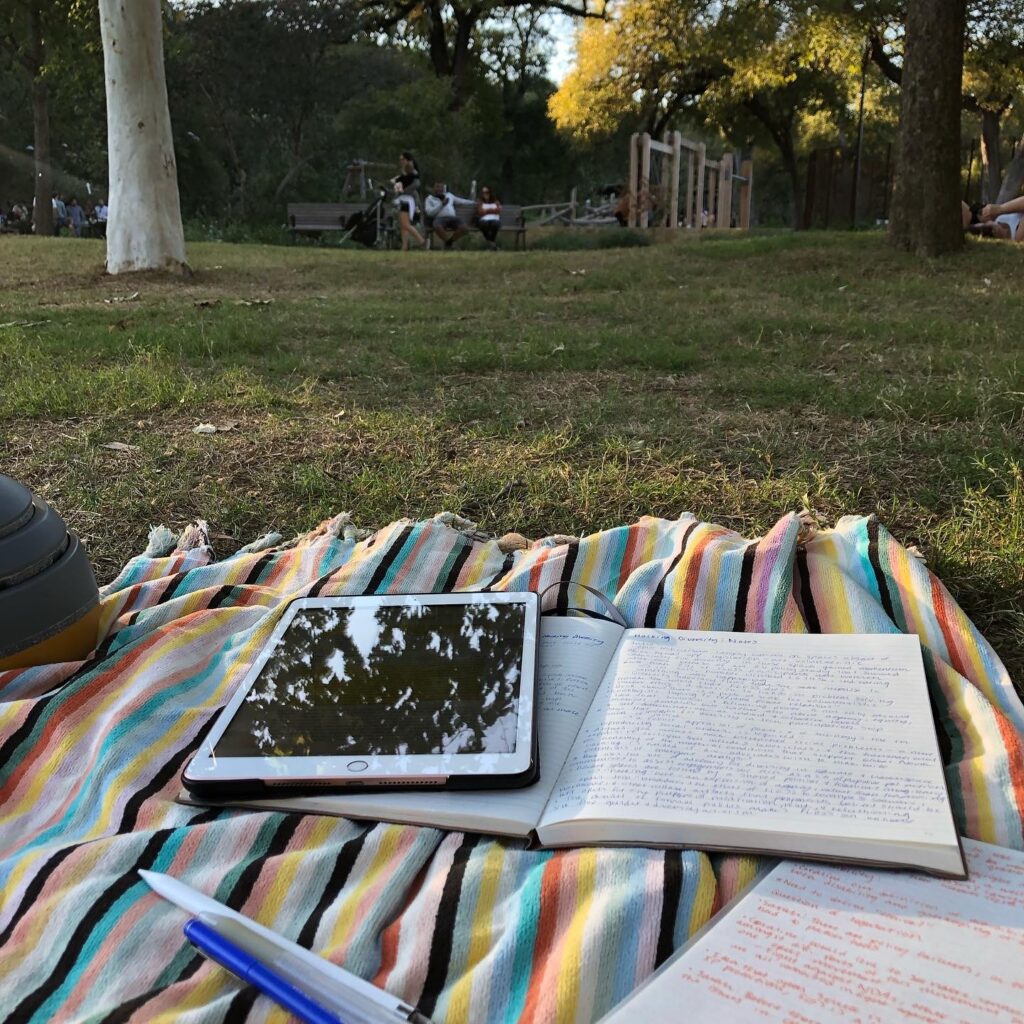
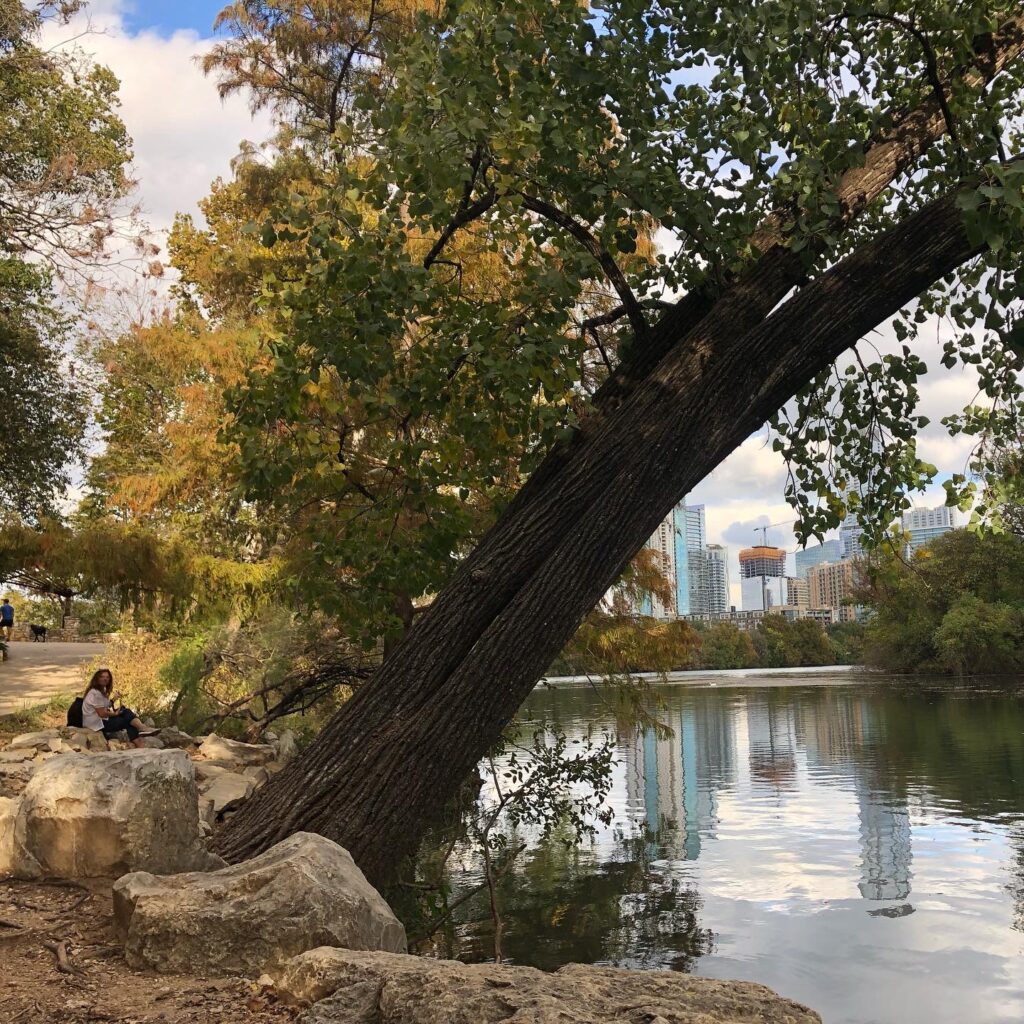
Austin, 2023. On the trail.
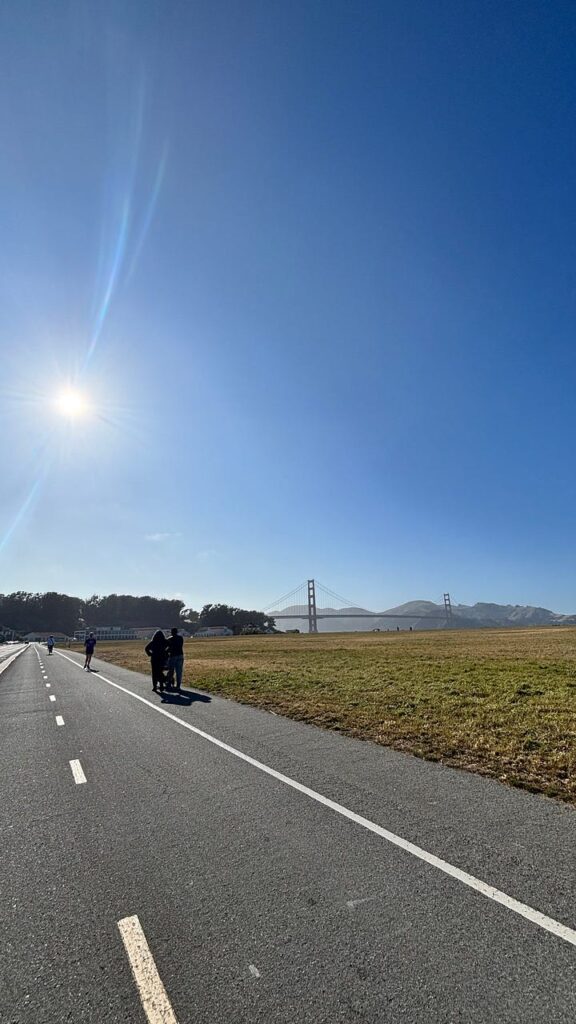
In our hyper-mediated era, these attachments are complicated by what we see in our phones. When I open social media, I am simultaneously here and there—in Austin, in Chicago, in San Francisco. All of these places that have left little incisions, permanent marks on my life’s journey, appear dutifully on the feed to taunt me with a feeling of rootlessness. I remember running along the Marina Green waterfront last summer, willing myself to feel something about the objective beauty in front of me, but finding instead subtle detachment, a guilty frustration with the cold ocean wind. I lost track of how many times I opened Instagram to see an image of the Austin skyline, feeling the ache of recognition and longing for the stillness of Town Lake. In those moments, I had to close my phone and softly roll my eyes at myself, remembering how closely this mirrored the way I’d felt about Chicago when I first arrived in Austin in 2021. I knew in time the feeling would be replaced by something else.
Along the way, these questions have gnawed at me: When does a place begin to feel like home? What does it mean to create a sense of place? Or roots, where you have none?
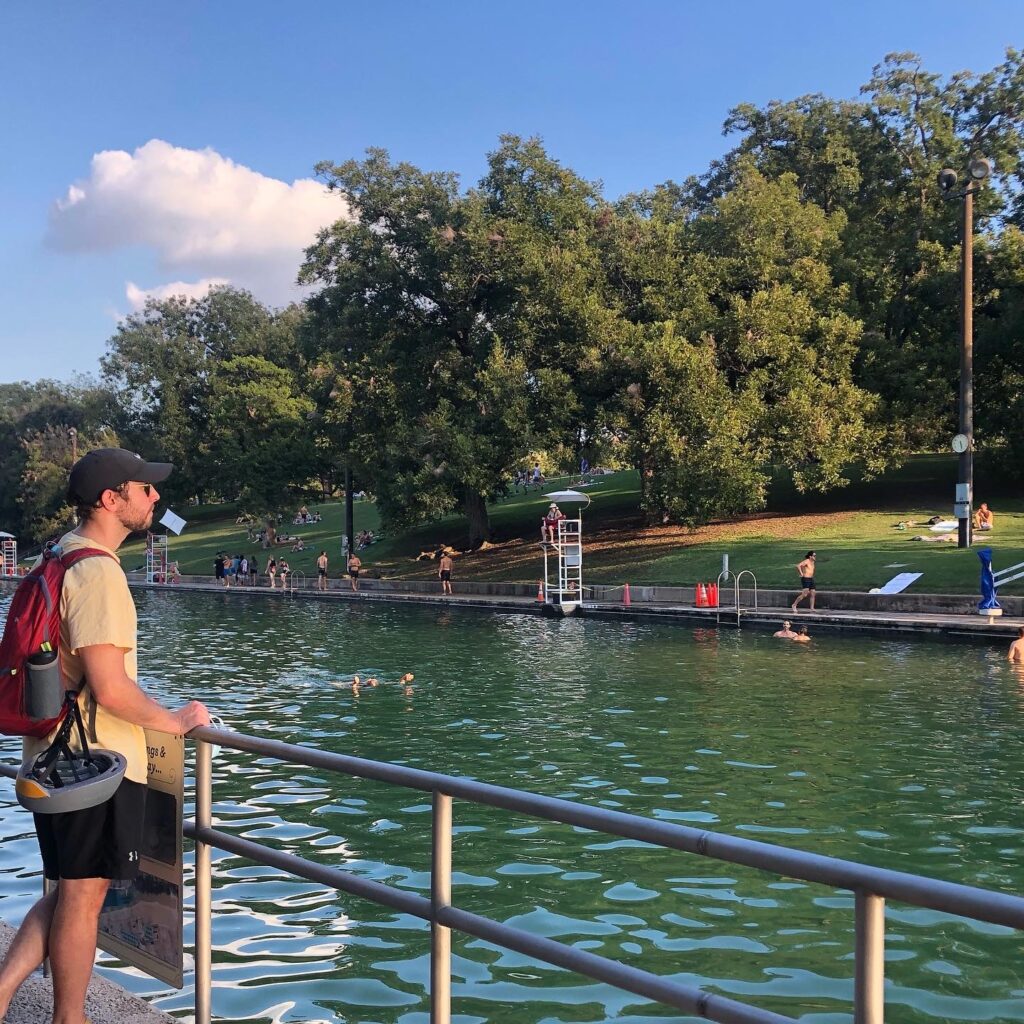
San Francisco, 2025. Traded the hike & bike trail for the ocean.
I’ve found that you can’t rush the process. Creating a home somewhere new often means surrendering to a process of severance and renewal—losing a little bit of your grip on the place or places you come from, and allowing this new one to imprint itself instead. As much as I’ve tried to expedite it, to attempt digital shortcuts, create lists in Google Maps, etc., a true sense of place is something that has to be inhabited, and can only be stitched together through embodied experience. It’s putting one foot in front of the other, and out the door over and over again. Earning true intimacy with little corners of the city, so one day soon you might be able to look at something as mundane as the neighborhood pizza joint and make a wistful remark like, ‘hey, that’s where we stopped for lunch on the day we moved into our apartment.’ I’ve started to think of it as a process of building out the map in my head.
In her book Infinite City: A San Francisco Atlas, writer and longtime resident Rebecca Solnit uses San Francisco as a lens to explore the endless ways of mapping a cityscape. In doing so, she reminds us that maps are not objective artifacts, but rather enforce a point of view and understanding of the world—of what deserves to be accounted for and what is erased. The same is true for these personal maps we chart. The more experienced I become in the business of moving and replanting, the more I see it as one of our duties as city goers to remain always-conscious of these blind spots, and to repeatedly seek out the encounters that help us see the map differently, or from another person or being’s point of view.
“It takes very little, just looking around on the bus or getting a bit lost on the way to some everyday place and sometimes not even that, to land in an unfamiliar city, to find that the place is inexhaustible.” – Rebecca Solnit, Infinite City: A San Francisco Atlas
To Solnit, a city is a place that’s endless and infinite—“inexhaustible”. In her view, this vastness is created by its inhabitants, who traverse its grounds while carrying their very own, equally legitimate maps in their minds. “A city is many worlds in the same place,” she writes. Solnit proposes that while we may each create our own version of a place, the beauty lies in that “both can be charted on the same map”. Our many maps meet, and they feed into one another.
Solnit’s work here echos the ideas of the feminist geography scholar Doreen Massey, known for challenging dominant conceptions of space and “place”. For Massey, a place is inherently contested, always-changing and open to interpretation. Her idea of a “progressive” or “global” sense of place understands places not as static entities, with fixed identities rooted in a history often out of reach to outsiders, but rather as “processes” we each contribute to.
“…what gives a place its specificity is not some long internalized history but the fact that it is constructed out of a particular constellation of social relations, meeting and weaving together at a particular locus.”
I’ve found these ideas to be comforting and instructive. It’s easy in a city like San Francisco, where the housing crisis and influx of transplants are so pronounced, to feel uncomfortable in one’s position as a newcomer. It’s also easy to buy into narratives of complete tech domination, to take one look at the industry’s impact on the visual landscape of the place and believe there’s no room for anything else. Solnit and Massey help me feel otherwise, pointing me towards the lives of my fellow city-goers and the power that lies in what each of us creates. From this vantage point, belonging starts to look more like a commitment to open-heartedness, to shaping a place where you can and letting it shape you back.
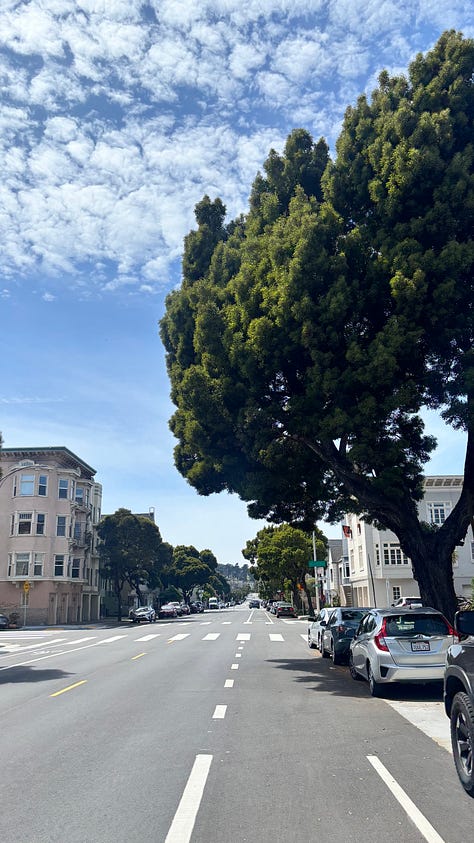
It’s been just over a year now, and a true picture of this city has finally begun to emerge in my head, etched in tiny bursts over the course of the past 12+ months. I wanted to take a moment to document some of it in this letter, and record just a few of the moments and experiences that have shaped the city as it exists to me today. My personal atlas of San Francisco is nowhere near comprehensive, but creating it is one of my humble offerings to the greater fabric of this place 🙂 I can’t wait to watch it expand.
A map of memories
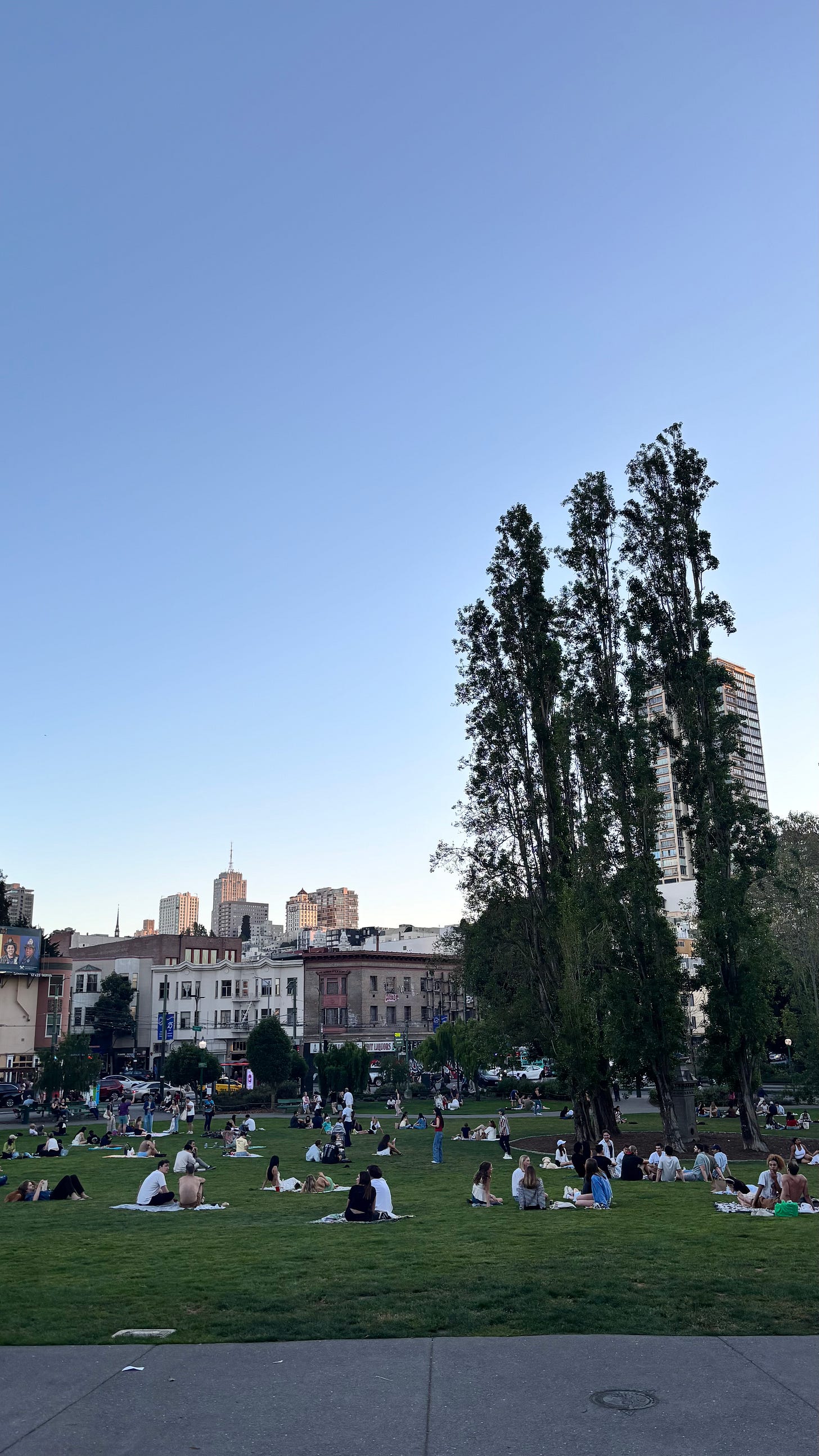
Sitting on the benches in Washington Square Park
“The true heartbeat of San Francisco,” an older gentleman declared after striking up a conversation at Zam Zam one evening. Every time I walk by the park on a sunny afternoon, I understand this claim.
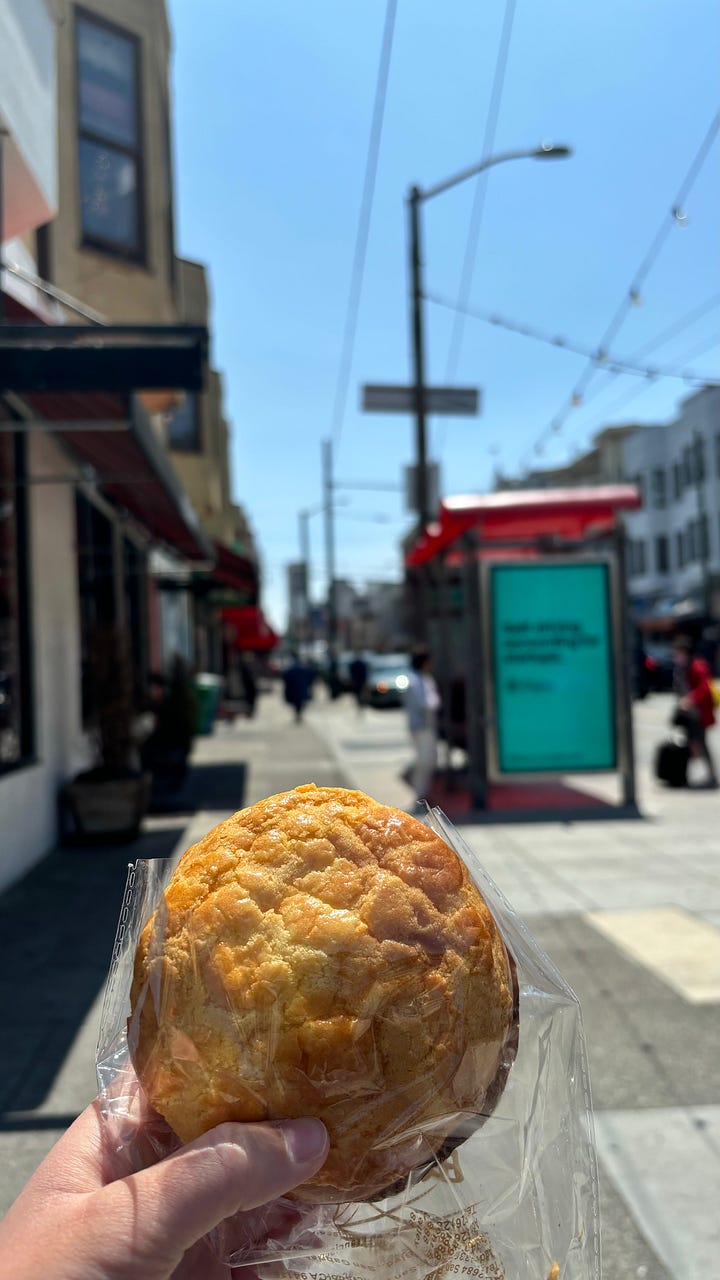
Pineapple buns at Wheatfield Bakery
Growing up, there was one single Chinese market located in one of the strip malls that bordered of our very white, suburban neighborhood. I always asked my mom to buy me a pineapple bun. Every time I bite into one of the buns at Wheatfield Bakery, a simple bakery on the very edge of Chinatown, I’m seven years old again. I still can’t believe I get to live in walking distance of places like this!
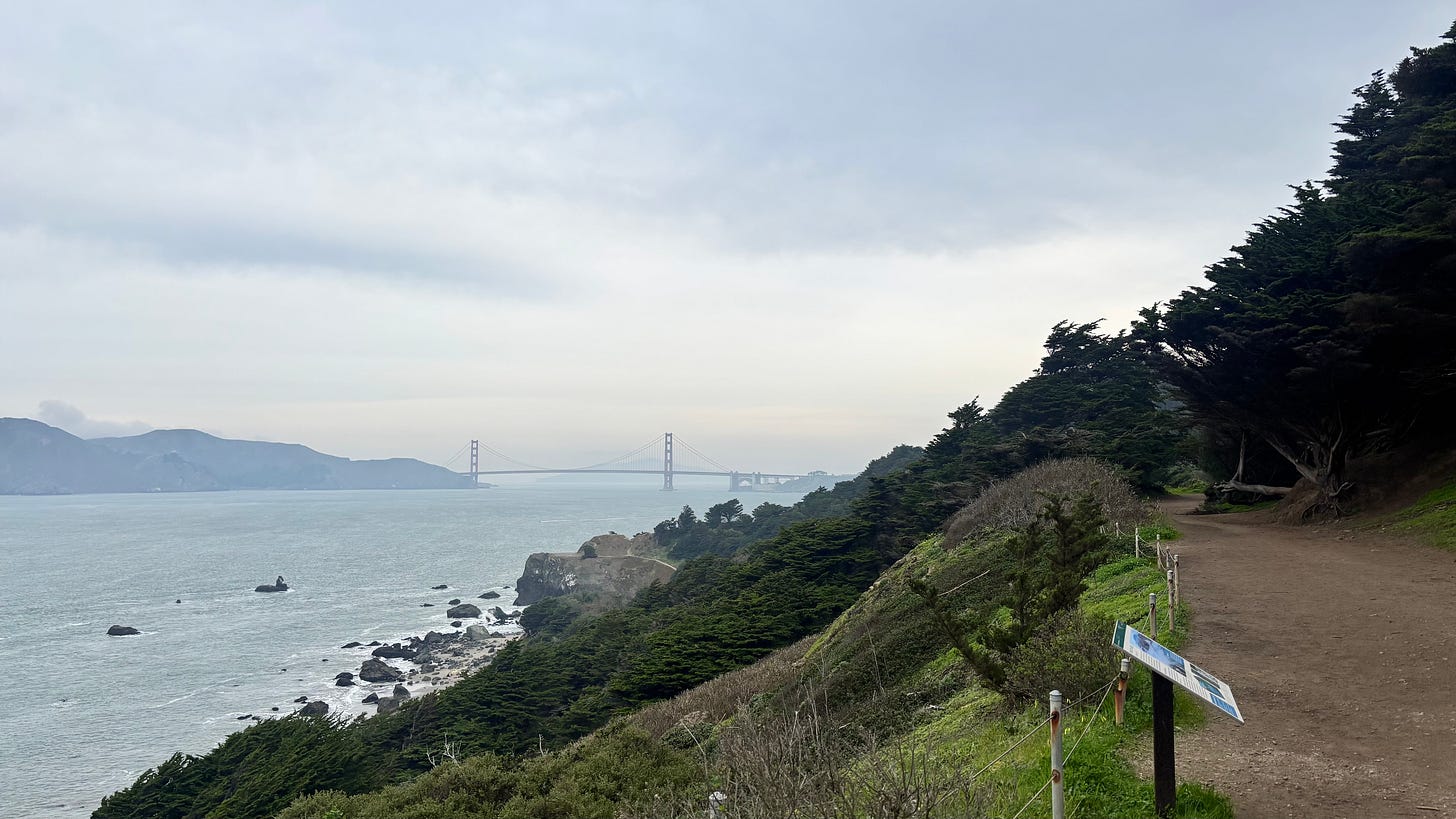
Walking the Crosstown Trail
I tried the Crosstown Trail with a friend right before she moved, and even though we only got through about seven miles of the trail, the experience helped me fill in some large gaps in my understanding of the city’s neighborhoods and how they fit together. It’s often said that San Francisco’s magic comes from its unique convergence of urban and natural beauty. Walking along the cliffs at Land’s End, through the Presidio, out into the Richmond for coffee, and into Golden Gate Park, I felt actually enchanted by this duality.
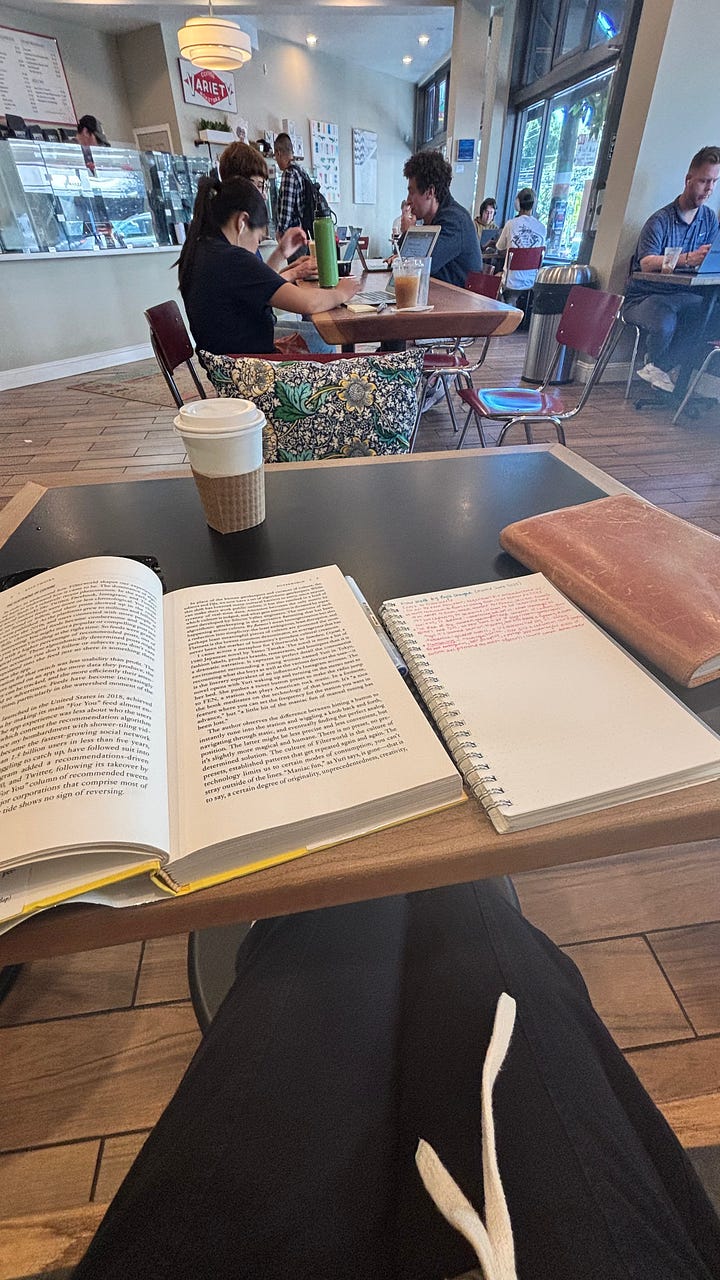
Many afternoons spent at Compton’s
SF is full of so many amazing cafes. Compton’s has the perfect combination of great coffee, an abundance of light, and outlets.
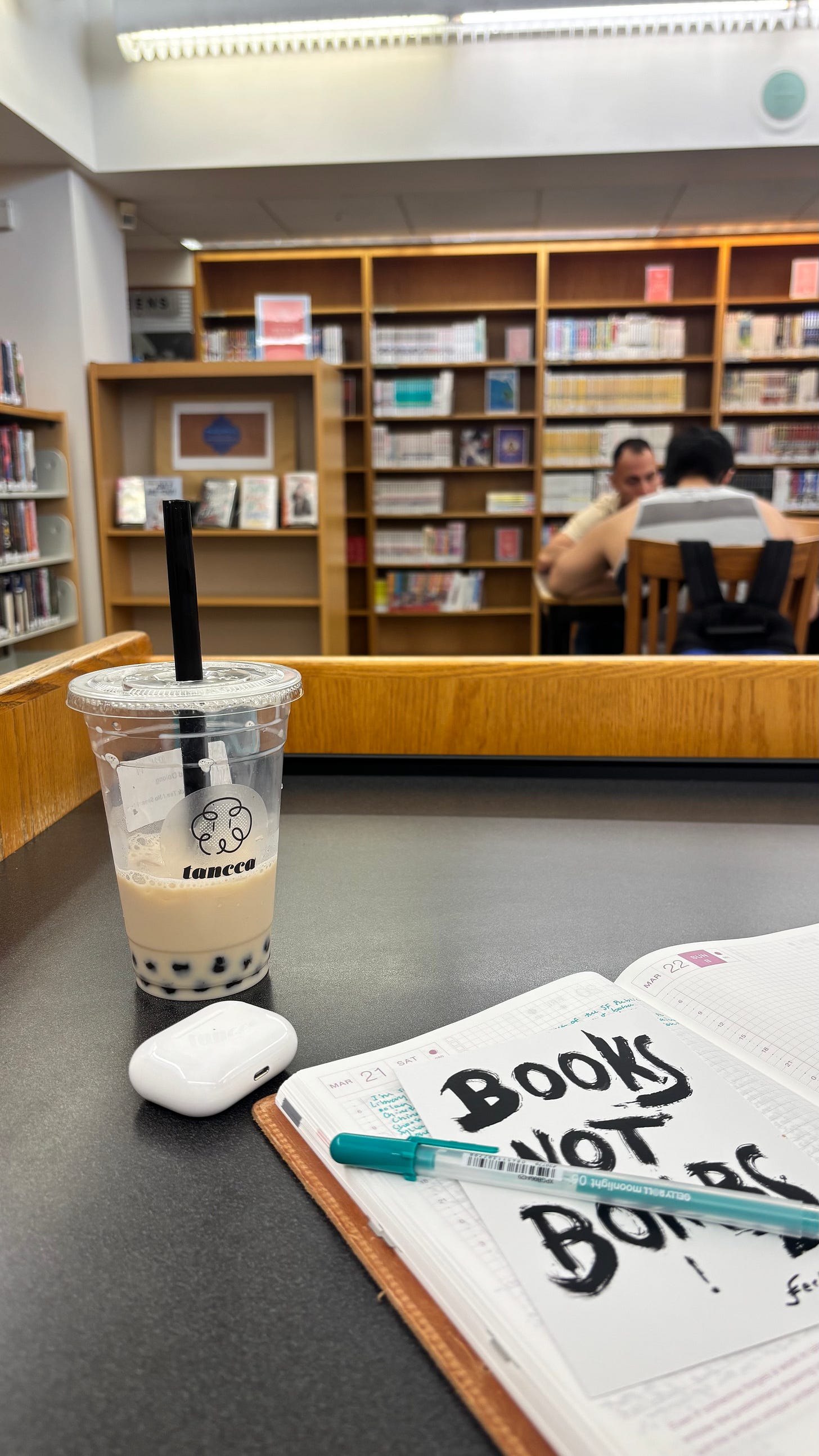
Reading and writing at the Chinatown branch library
I will always miss my many days spent at the Austin Downtown Library branch, but this neighborhood branch in Chinatown has completely charmed me. It’s always quietly buzzing with patrons and beautifully culturally-specific.
Biking the slow streets
Biking San Francisco has changed the way I see the cityscape, and reinforced my thesis that the best way to experience a city is on two wheels. The slow streets in particular are glorious, allowing you to take in the beauty of the city’s neighborhoods without worrying about cars.
Surprise fairy gardens and green spaces
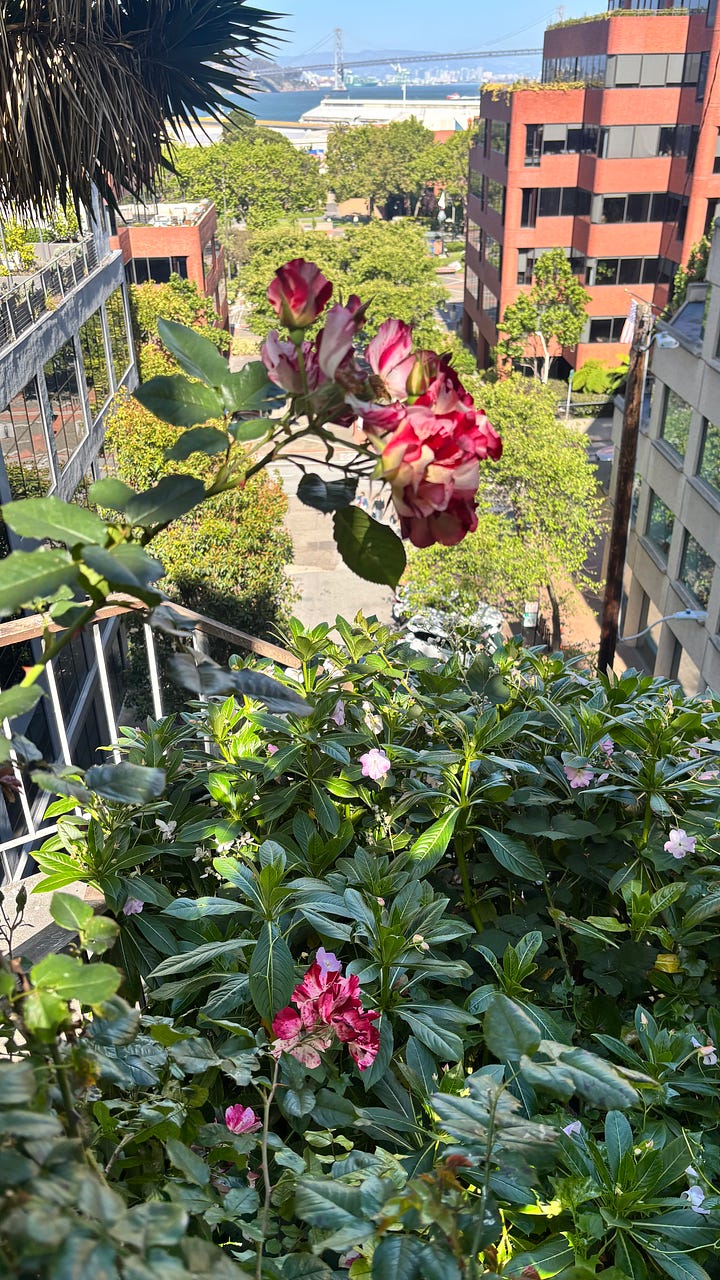
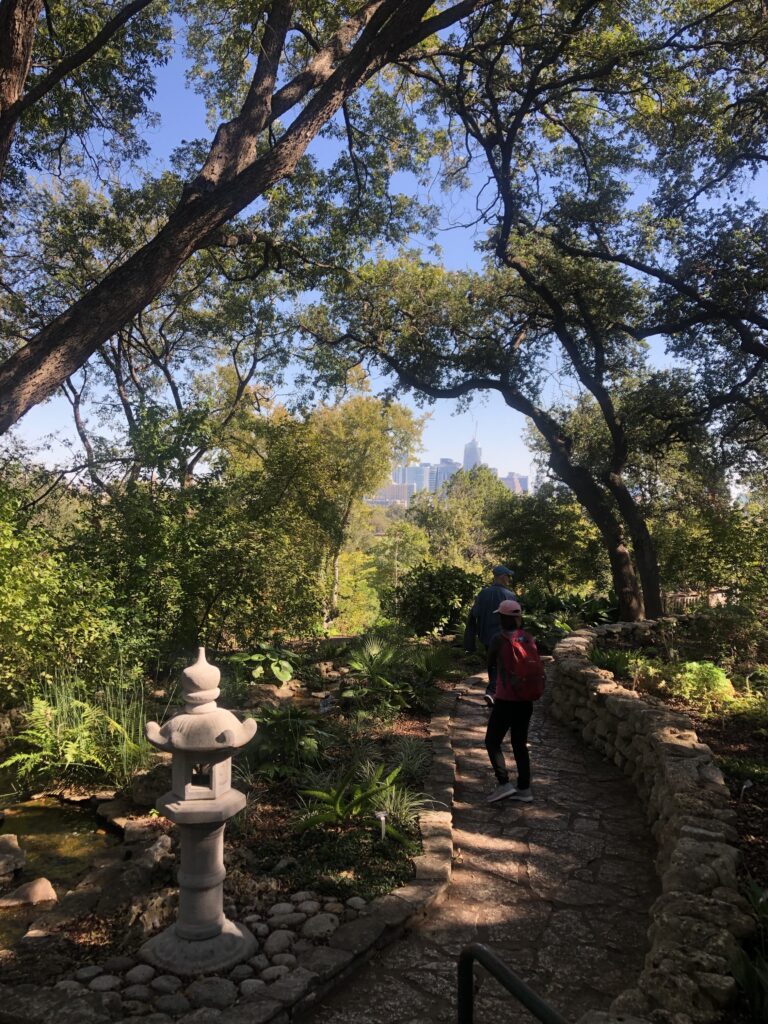
In my humble opinion, the very best cities offer an element of consistent surprise and delight. In San Francisco, I seem to find this around every corner. It’s been so much fun to wander around and stumble upon hidden passageways, staircases, and whimsical details all over this city. We recently made our way up Telegraph hill for the first time, and I was charmed to discover a garden along the staircase that’s so lovingly cared for by the people who live up there.
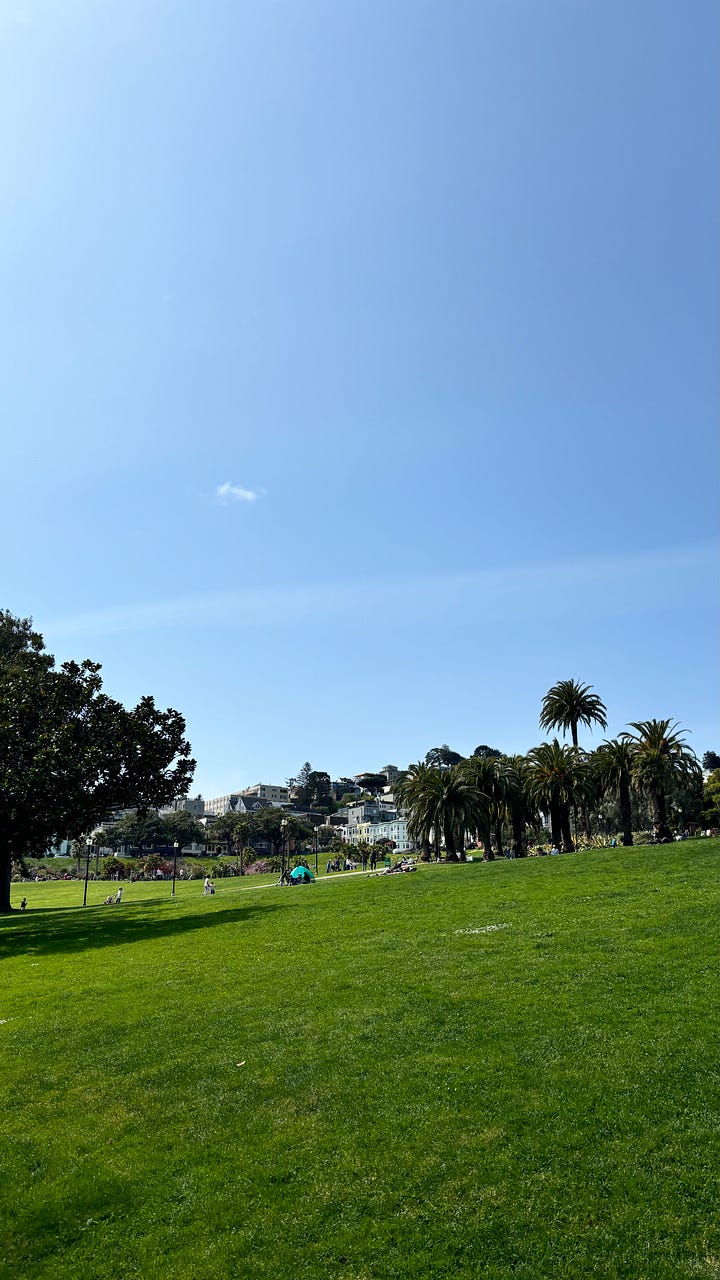
Burritos at Dolores Park
Perfect way to take in the city.
Thanks for reading, now onto year two! If any readers happen to have recommendations for me, please send 🙂
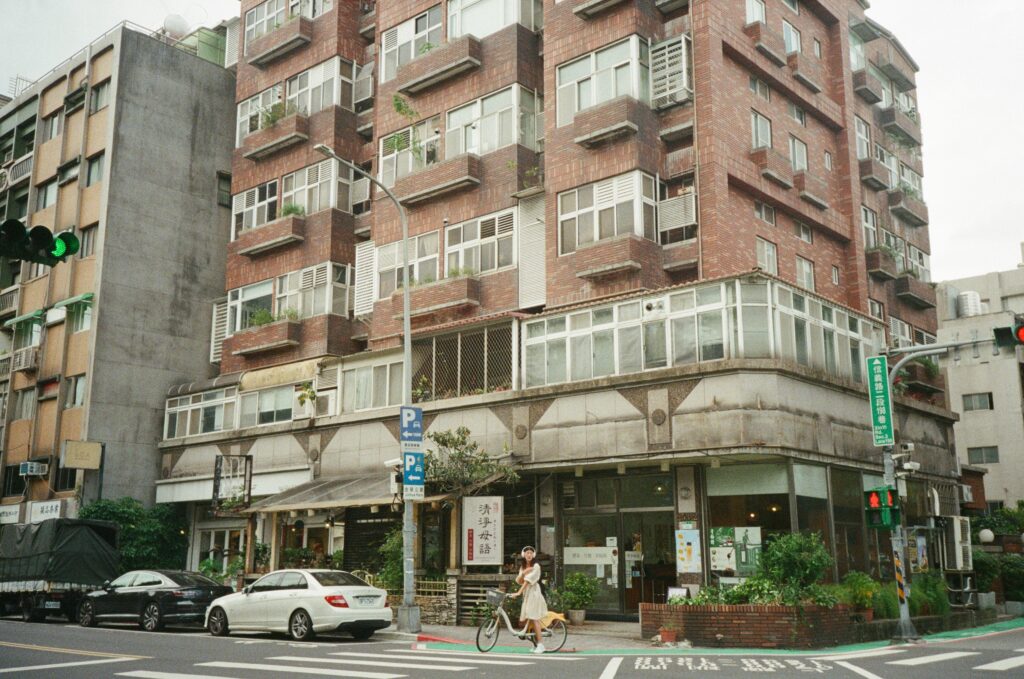
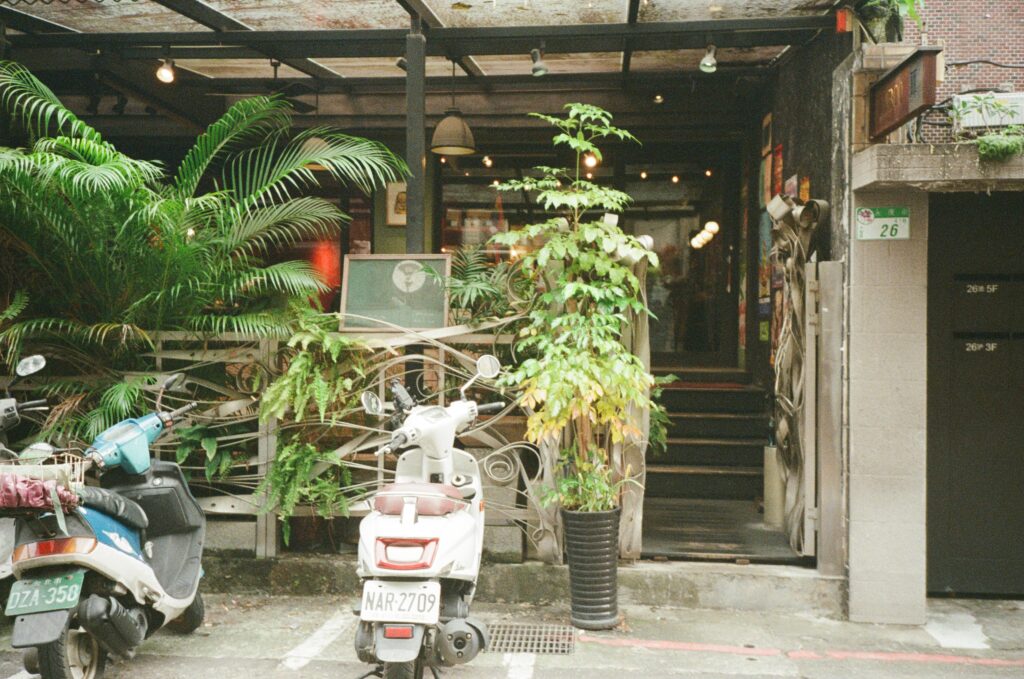
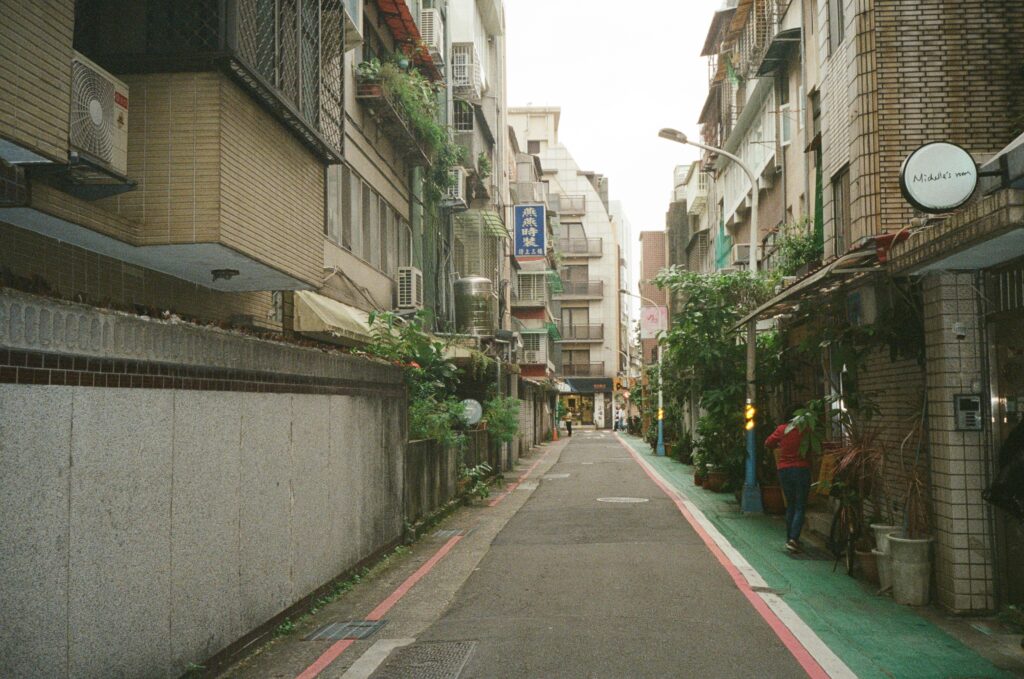
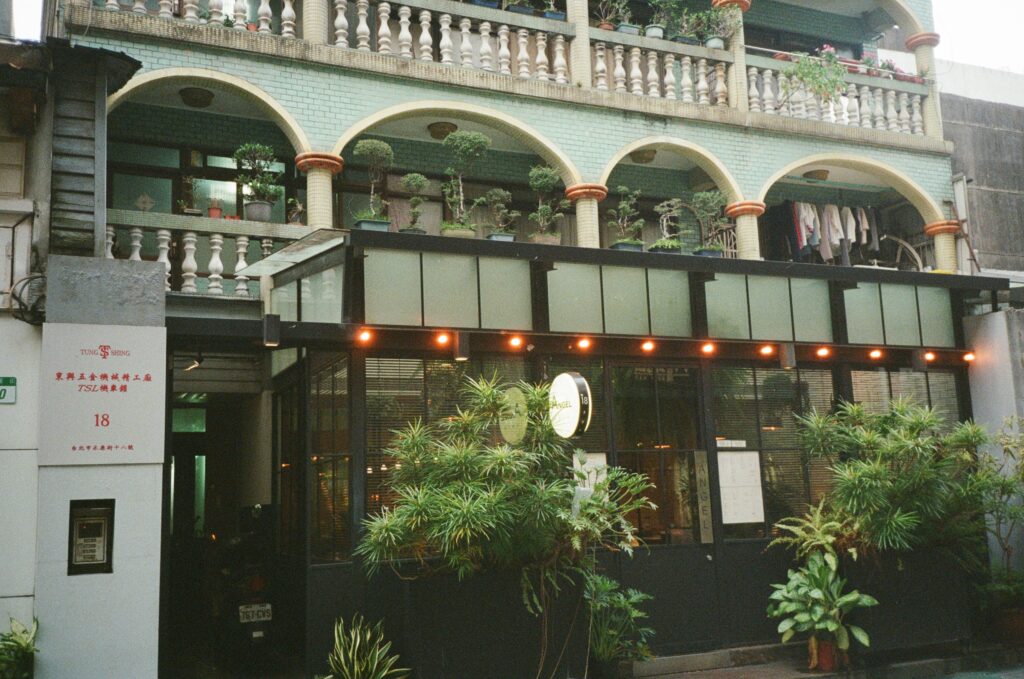
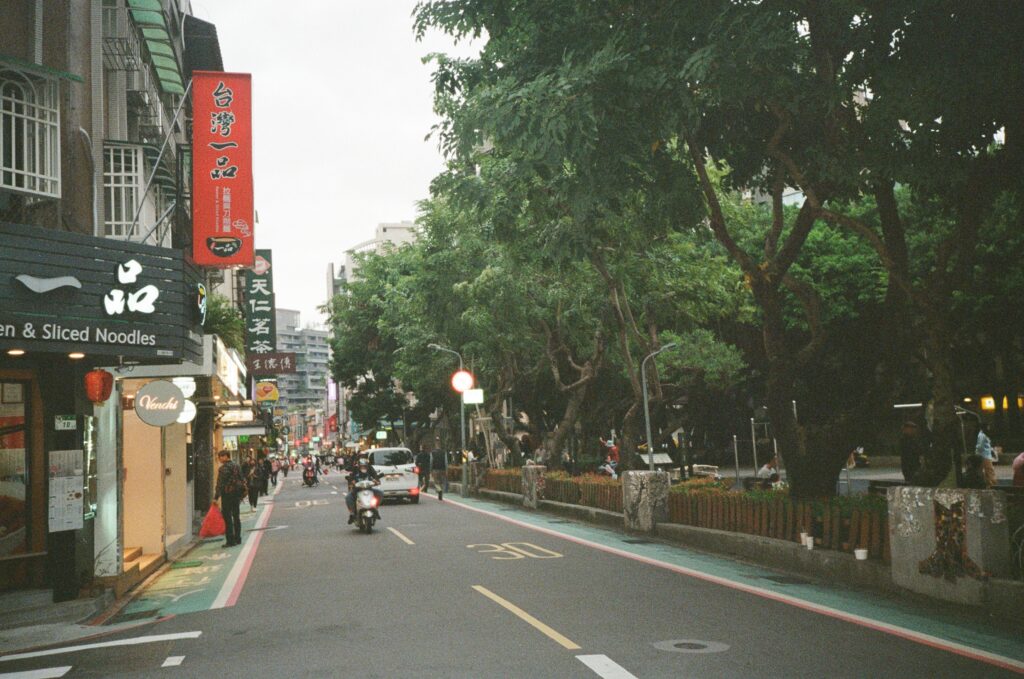
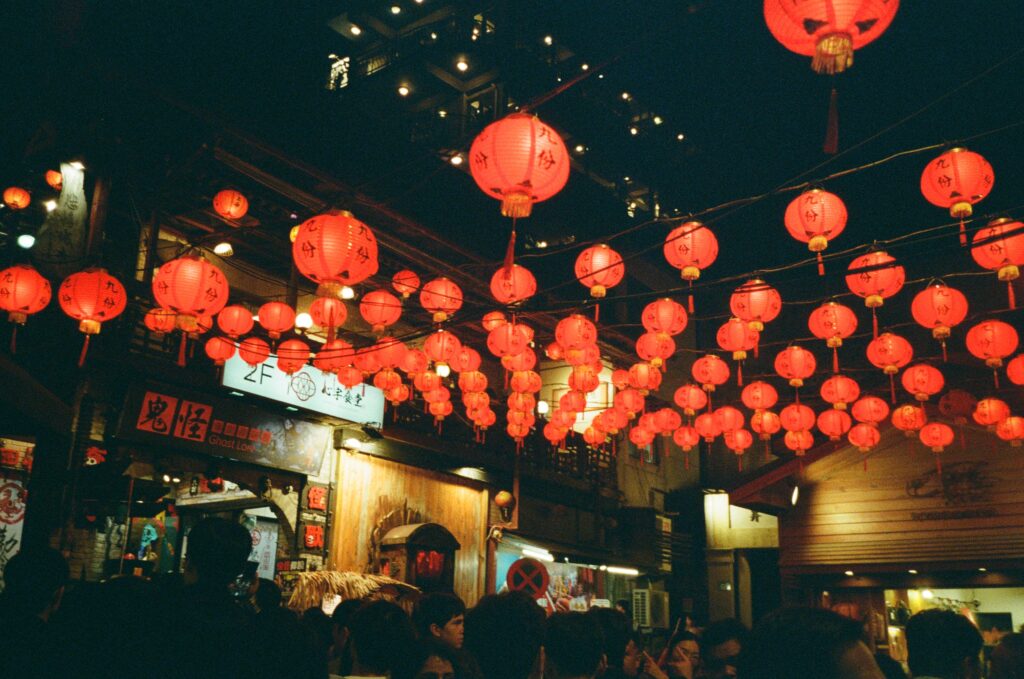
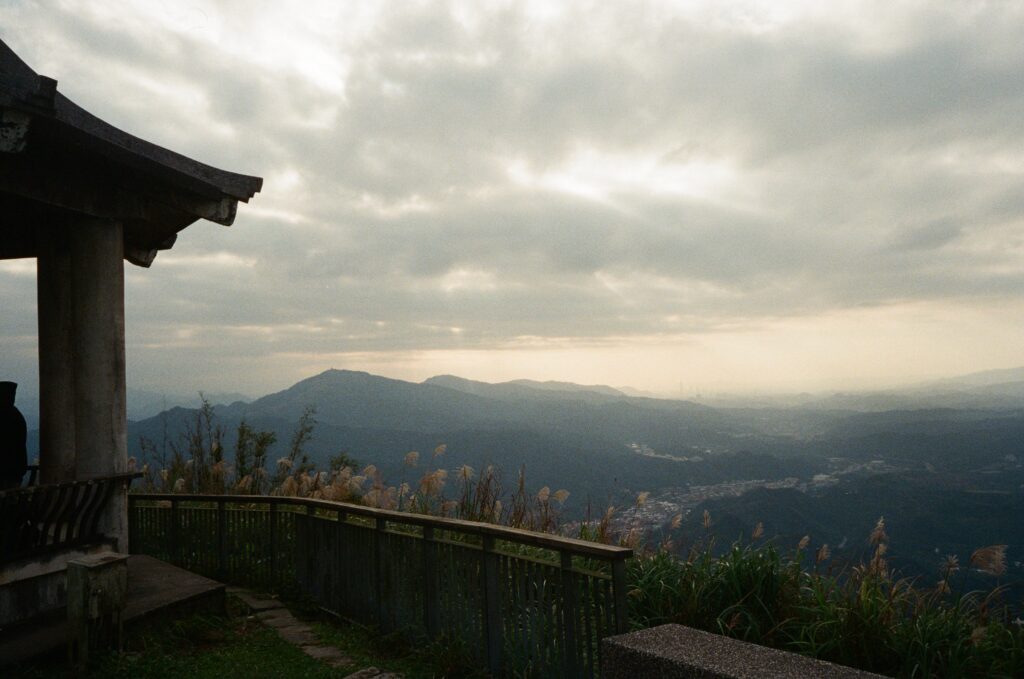
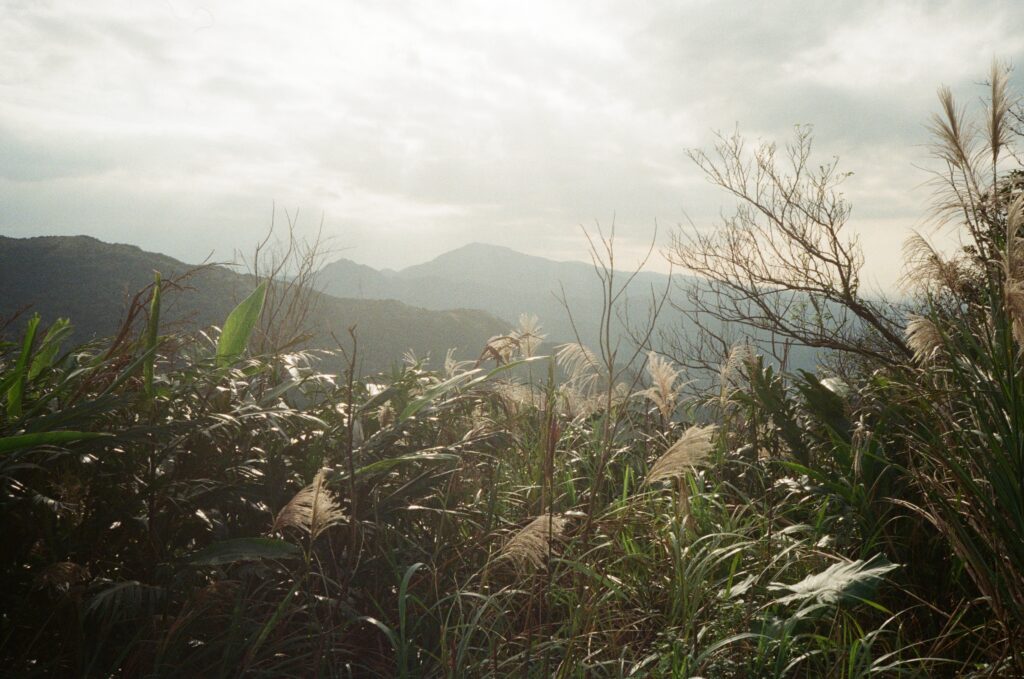
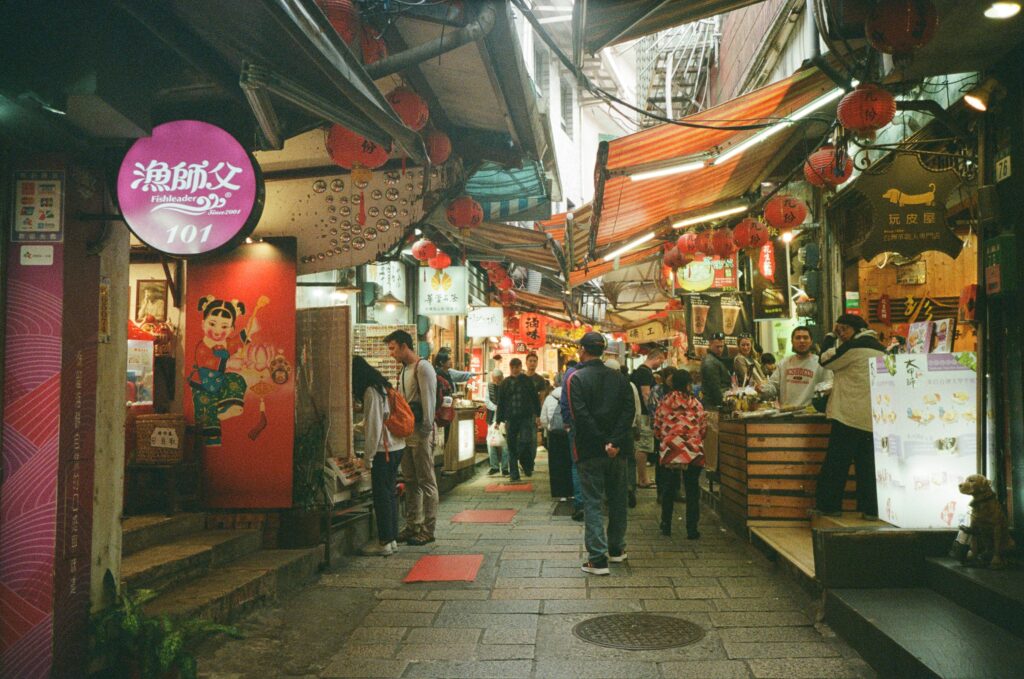
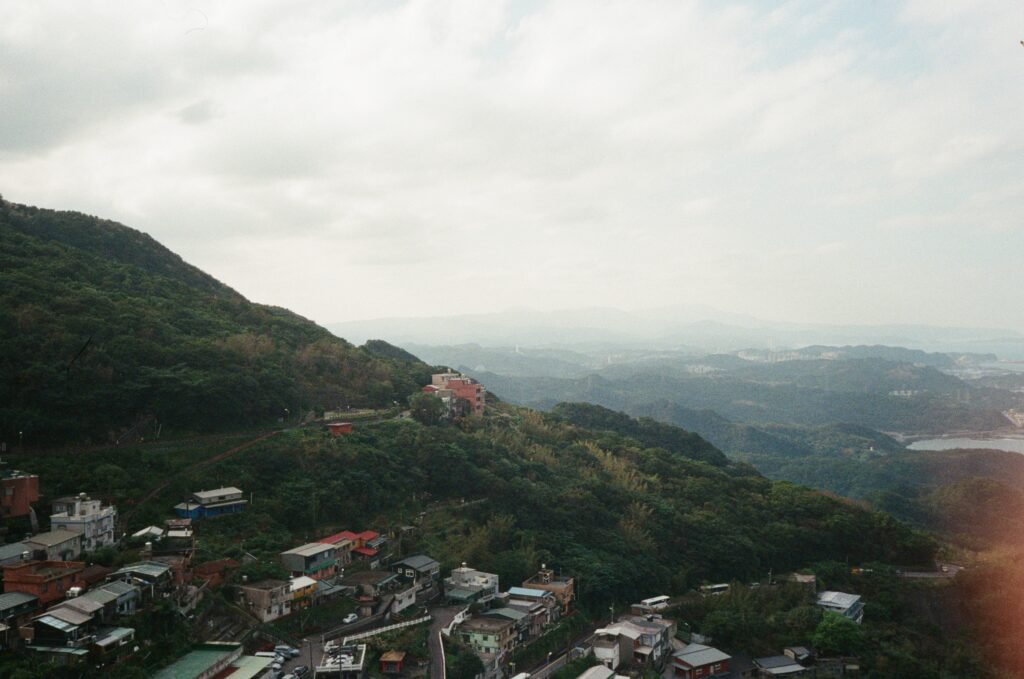
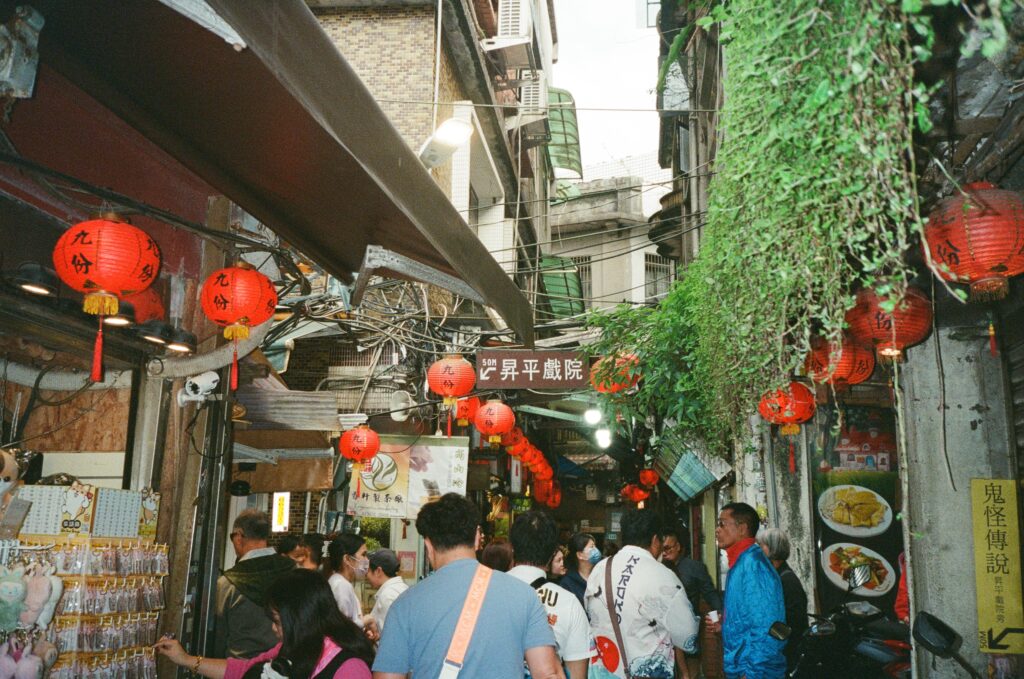
In December, I returned from a long-overdue trip to visit family in Taiwan. It was my first time back in Taiwan since 2016, and my first time being there with my mom since I was a teenager. The experience was beautiful and energizing. We spent most of our days wandering the streets of Taipei, perusing the markets, and taking the subway everywhere.
Here are some of my favorite photos from the trip.
Returning to these pages to post an overdue life update: In August, I moved to Austin, Texas for grad school. I plan to write more about what this transition has looked and felt like over my winter break, but for now here’s a brief summary:
Reading, writing, learning, thinking.
Biking, running, exploring, looking.
Connecting with new people, missing the familiar ones.
All in all the most beautiful spectrum I could really ask for 🙂
Heading back home to Chicago for the rest of the year feeling full of gratitude.
One of my absolute favorite things to do on the Internet is fall down a rabbit hole of interesting people working on interesting projects. Naturally, while the link that sparks the initial chain often comes from a Google search or from a platform like Twitter, most of what I subsequently “stumble upon” lives outside of these dominant internet spaces – in the parts of the web that still feel homey, creative, endlessly intriguing.
I experienced this feeling over and over again over my winter “break” this past holiday season, much of which I spent focused on building out a proper site for myself and for Contemplation Club. It was during this (admittedly very challenging) period of fiddling around and trying to get a handle on the web development landscape that I stumbled upon web developer Piper Haywood’s work. Specifically, I came across her site while searching for ways to embed Are.na channels onto my own site, and found not only an answer to my specific dilemma but also some great personal website inspiration in and of itself.
I was immediately drawn to the way she uses her personal website as a sort of working scratchpad — a place to record the progressions of thoughts, ideas, projects, and daily life. And much to my excitement, I discovered that she had not only designed her beautiful, functional WordPress theme herself, but that she had published it on Github for others to enjoy. If you’ve already clicked into Piper’s site, you’ll see that hers is theme I’m currently using (and loving). (**Update I also believe it is important to point out that Piper has included the ability to support her work by buying her a “cookie”)
Somewhere on Piper’s blog, she shared this piece from The Creative Independent that presents a really compelling argument for utilizing your corner of the web in this way.
“A website can be anything. It doesn’t (and probably shouldn’t) be an archive of your complete works. That’s going to be dead the moment you publish. A website, or anything interactive, is inherently unfinished. It’s imperfect—maybe sometimes it even has a few bugs. But that’s the beauty of it. Websites are living, temporal spaces.”
– Laurel Schwulst, The Creative Independent: My website is a shifting house next to a river of knowledge. What could yours be?
The piece surfaced memories of the way I used my Tumblr page as a teenager — even Instagram, before it became a hyper-commercialized catch-all. But at the same time, its central argument is decidedly anti-platform, viewing the maintenance of an “unfinished,” independent site as a way of resisting the domination of tech monopolies across the web. Coming at a time when I’ve been feeling the exhaustion of scrolling, publishing, and just simply existing on mainstream social media platforms very acutely, these ideas really spoke to me.
In the spirit of this approach, I’m making it a goal to use this space as a true journal of my creative processes over the course of the next year. I don’t think I’ll stop preferring tactile notebooks like my bullet journal, but I intend to use this site as an accompaniment. My hope is that it will become an energizing exercise and a fulfilling space — one that might help me recapture some of that early Internet magic and start to experience the potential of the web in a new way.